All news
A comparison of the basic requirements and features of custom B2B and B2C e-shops
14 May 2024
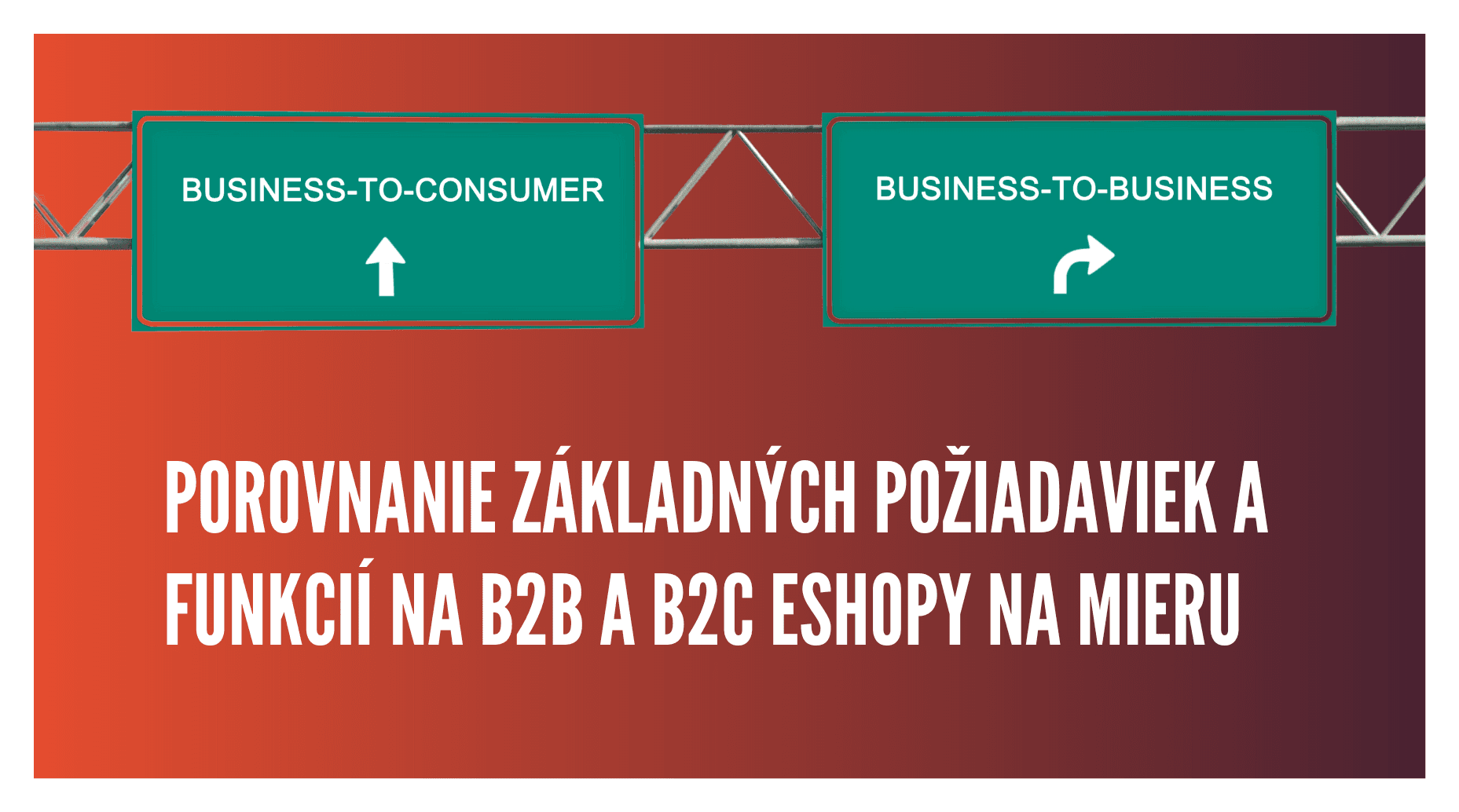
What the key differences in requirements for a B2B and a B2C e-shop are, and which features are essential for each of them.
Every company, whether in the B2B or the B2C segment, should have a custom e-shop that does its job ideally, so that all customer requirements are met. In this short article we have put together a simple overview of selected requirements for B2B and B2C e-shops. There can be more of them, and everything depends on the company the e-shop is being built for and on the internal processes the e-shop solution has to fit.
This article was prepared in cooperation with MIDASTO, a company that builds premium e-shops for rent. If you are considering setting up a B2B or B2C e-shop, a combination of both, or switching your current platform for a more efficient one, the team at Midasto will be happy to help you.

Basic requirements for a custom B2B e-shop
1. Account and permission management: The system should allow you to create and manage several accounts for different companies or users within one organisation. Permissions should be flexible and adjustable to the needs of different teams or individuals. 2. Pricing strategy and price groups: A B2B e-shop has to be able to work with different price groups for different customer segments or wholesale partners. That includes flexibility in setting pricing policies, discounts and individual terms. Ideally it should also be possible to add different selected brands for each B2B customer. 3. Order management and transaction processing: The solution has to manage orders efficiently from receipt through to delivery and invoicing. That includes tracking order status, processing payments, warehouse management and monitoring delivery dates. 4. Integration with existing systems: For most B2B companies it is critical that their e-shop can integrate with existing systems such as ERP (Enterprise Resource Planning), CRM (Customer Relationship Management) or warehouse management systems. That makes it possible to manage business processes efficiently and keep data consistent. 5. Personalised catalogues and offers: For B2B customers it is important to be able to access personalised product catalogues and offers matching their needs and purchase history. That increases efficiency and improves the customer experience. 6. Multi-channel support: Modern B2B e-shops have to be able to serve customers through several channels, including the online platform, mobile apps and telephone orders. That ensures flexibility and accessibility for customers. 7. Security and regulatory compliance: Securing data and complying with regulations such as the GDPR (General Data Protection Regulation) and others is key to customer trust. A B2B e-shop must have robust security measures and processes to protect sensitive information. 8. Currencies and invoicing for several countries: If a B2B company sells to several countries, it is more efficient to support several currencies and invoicing options according to customer requirements. That naturally also includes a substantial degree of automation of these processes. 9. Reserving unavailable products: Based on data from the ERP system, the B2B portal identifies currently unavailable products and puts them into reservations. This feature is useful when manufacturers' warehouses are often sold out. 10. Optimisation for mobile devices: Given the growing number of people who use mobile devices both for work and for shopping, it is important for a B2B e-shop to be optimised for mobile platforms so that customers can buy on the move as well.
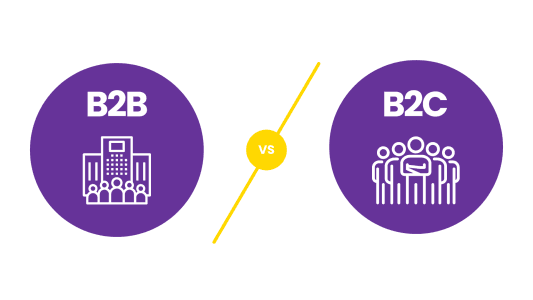
Basic requirements for a custom B2C e-shop
1. A simple, intuitive interface: The e-shop must have a clear, easy-to-use interface that lets consumers quickly find the products they want and complete the buying process without needless complications. 2. An attractive, functional design optimised for mobile devices: Given the growing number of people who shop on mobile devices, it is essential for the e-shop to be fully optimised for mobile platforms so that the shopping experience is smooth across devices. A B2C e-shop should have an attractive and functional custom web design so that it stands out against the competition on the market. 3. Personalisation and recommendations: The ability to offer personalised recommendations and deals based on previous purchases or consumer behaviour can significantly increase conversions and customer loyalty. 4. Security measures: Building consumer trust is key. An e-shop must have robust security measures to protect sensitive customer data and payment transactions. 5. Warehouse and order management: Efficient warehouse management and order processing are essential to ensure fast, reliable delivery of goods to customers. 6. Several payment options: Offering various payment methods such as payment cards, payments via mobile apps, electronic transfers and so on increases flexibility for consumers and reduces the likelihood of an abandoned purchase. 7. Customer support and service: Providing effective customer support and resolving problems or questions quickly can significantly increase customer satisfaction and loyalty. Ideally through chat services. 8. Analytics and performance tracking: Collecting and analysing data about customer shopping behaviour lets an e-shop understand customer preferences better and adapt its offering and marketing strategies on that basis. 9. Integration with marketing tools: An e-shop should be able to integrate with marketing tools such as e-mail campaigns, social media and retargeting ads to improve customer engagement and increase conversions. 10. A wide range of products and catalogues with effective search and filtering: Providing a varied product range and the option to adapt catalogues to seasonal trends or specific customer requirements. Ideally you should be able to offer customers a diverse range of products that is easy to filter and search.

Source: www.trenujeme.sk
A custom e-shop can also combine B2B and B2C features, so a company can sell not only to its business customers but also cover weaker periods by selling a selected part of its range to end customers. Even that should follow certain rules and a system that the e-shop solution reflects. It is not ideal on the market when distribution competes with retail customers, or the other way round.